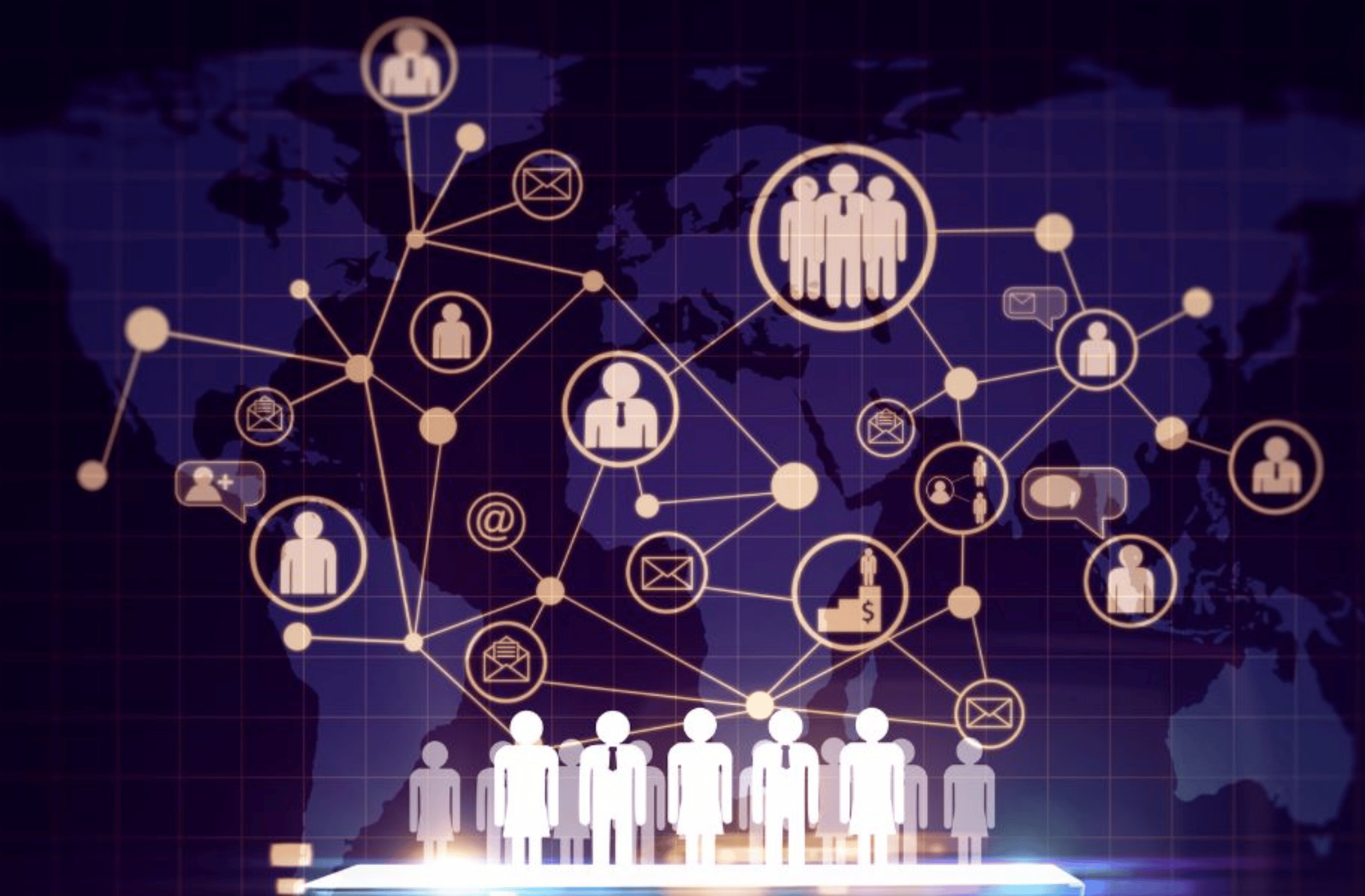
Across Singapore, thousands now find work through platforms such as Grab, Upwork, and Fiverr, according to the Ministry of Manpower (MOM). Algorithms decide who gets the next delivery, design brief, or client proposal—matching talent with demand at a scale traditional hiring could never reach. This shift is reshaping jobs in demand in Singapore, with platform-based roles growing alongside traditional employment. Work now moves through data systems instead of office corridors, forming a workforce that operates across time zones and contracts.
Recognising this shift, the MOM and the International Labour Organization (ILO) held Singapore’s first global dialogue on platform work. The discussions made one point clear: digital labour is here to stay. HR must now learn to manage not just employees but entire ecosystems of freelancers, contractors, and platform professionals shaped by AI and real-time data.
Table of Contents
From Workforce to Work System
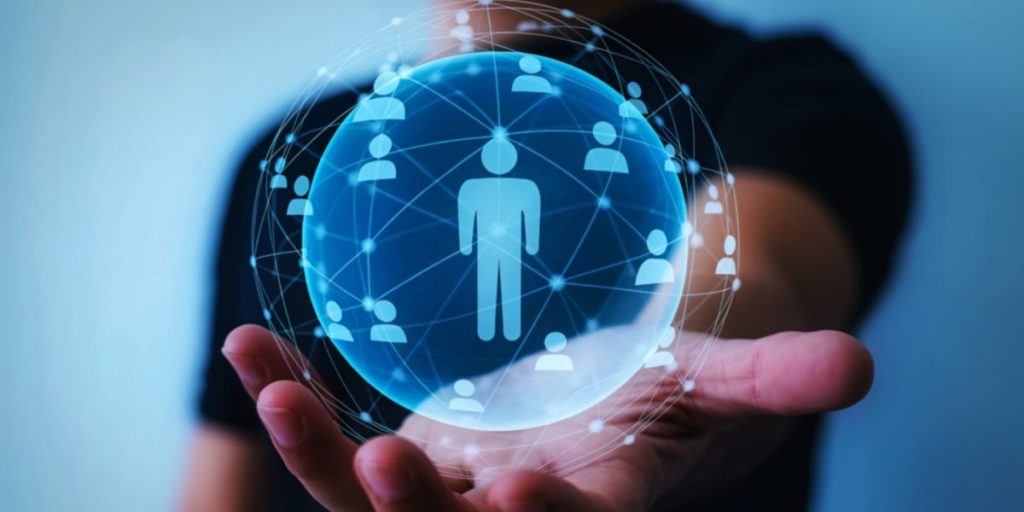
The modern organisation functions more like a network than a hierarchy. Projects flow across internal teams, partner ecosystems, and freelance platforms, each supported by data systems that monitor progress and performance in real time. What was once a single workforce has become an interconnected web of contributors managed through shared digital infrastructure.
- IBM’s HR framework illustrates this evolution. Its use of AI tools allows talent teams to anticipate hiring needs, predict attrition, and create personalised development paths. These AI-driven approaches are fundamentally changing how companies improve their recruitment process, moving from reactive hiring to predictive talent management.
- At Unilever, data-driven assessments now identify behavioural strengths and learning potential long before a formal interview.
These methods transform HR from a reactive department into an active architecture of work—one that designs how people, processes, and technology interact.
Where HR, IT and AI Intersect
This rise has blurred the lines between technology and workforce strategy. Each completed task, whether a delivery, a design project or a code review, generates data that shapes how organisations hire, plan and retain talent.
In gig-driven environments, infrastructure and labour operate as one. Platforms capture metrics on efficiency, engagement and quality that guide HR decisions on welfare, incentives and workforce design. Algorithms have evolved from operational tools into sources of intelligence that define how modern work functions.
| Function | Technology Layer (IT) | Workforce Layer (HR) | Outcome in Gig Environment |
| Resource Planning | Predictive analytics and data dashboards | Dynamic shift and task allocation | Stable service delivery despite fluctuating demand |
| Performance Tracking | Platform telemetry and machine learning models | Behavioural and satisfaction analysis | Early detection of burnout or disengagement |
| Engagement & Retention | In-app surveys and digital wallets | Reward, welfare, and micro-benefit design | Continuous motivation among flexible contributors |
| Policy Development | API-based data exchange with regulators | Compliance, insurance, and safety frameworks | Transparent governance for platform workers |
This collaboration transforms HR from a policy-driven unit into a systems partner that understands how algorithms influence behaviour. It also redefines IT’s purpose—from building tools to building trust. The two functions now co-create a digital ecosystem where efficiency and human well-being develop together.
Governing the Algorithmic Workplace
As algorithms take on more control over task allocation, evaluation and rewards, governance has become a key responsibility of HR. Technology now shapes access to work and progression, making transparency and fairness essential parts of workforce strategy.
Many organisations are placing HR specialists within data and product teams to review how algorithms are built and monitored. Their work includes checking for bias, verifying data accuracy and assessing how automated decisions affect motivation, pay and opportunity.
| Governance Focus | Algorithmic Function | HR Oversight | Outcome |
| Task Distribution | Demand forecasting and matching systems | Review allocation fairness and rotation frequency | Balanced workload and higher worker satisfaction |
| Evaluation Metrics | Behavioural and completion-based scoring | Monitor data quality and model interpretation | Reliable performance tracking and fair assessment |
| Incentive Logic | Dynamic bonus and reward algorithms | Align reward systems with engagement objectives | Sustained productivity and reduced turnover |
| Data Ethics | Collection and retention of workforce data | Implement transparent consent and privacy protocols | Stronger compliance and workforce trust |
Effective governance in algorithmic workplaces depends on collaboration across HR, IT, and policy teams. By setting standards for transparency and ethical use of data, HR ensures that automation enhances—not replaces—human judgment. This alignment creates a digital work environment where efficiency, accountability, and dignity can coexist.
Designing the New AI-Driven HR System
Governing digital labour has pushed HR beyond compliance. With automation embedded across the employee lifecycle, HR now designs systems that learn, adapt and connect AI with human judgment to build smarter, more responsive workforces.
Global corporations are already refining this model:
| AI Function | Example | Value to Workforce Management |
| Behavioural Assessment | Unilever × Pymetrics | Identifies high-potential candidates through cognitive profiling |
| Talent Discovery | RingCentral × Findem | Creates real-time visibility of available skills |
| Lifecycle Analytics | IBM × watsonx | Connects hiring, learning, and retention in one model |
| Candidate Experience | SHRM Conversational AI | Enhances responsiveness and onboarding efficiency |
| Predictive Screening | LLM + RAG Framework | Introduces transparency and context in AI evaluation |
These systems represent a new chapter in HR transformation. Instead of overseeing processes, HR now shapes the digital conditions where work happens—balancing data precision with human intent to sustain productivity, inclusion, and trust.
What HR Must Do Now

As digital governance takes shape, HR’s role becomes less about supervision and more about direction. The systems are in place; the algorithms are running. What determines success now is how HR guides them—translating technology into behaviour, insight into culture, and automation into accountability.
The next phase for HR is operational and strategic at once. It is about building internal capabilities that keep digital labour human-centred and adaptable.
1. Turn Insight into Design
Use AI analytics to shape how teams work. Identify trends in productivity or training gaps and adjust schedules, workflows, and learning plans to match real patterns rather than fixed policies. This insight-driven approach also supports upskilling initiatives in Singapore, ensuring training programs align with actual skill gaps identified through AI analytics.
2. Build Governance into Daily Workflows
Embed fairness tools directly into HR systems. Enable AI screening software to flag potential bias before shortlisting and schedule regular data checks so accountability happens by design.
3. Strengthen Hybrid Leadership
Develop managers who can lead both people and platforms. Use simulations and analytics dashboards to train decision-making that balances performance metrics with human context. Effective hybrid leadership also requires providing constructive feedback for employees in digital environments, where traditional face-to-face feedback mechanisms may not apply
4. Evolve the Metrics of Care
Replace one-off surveys with live data. Track engagement through participation rates, collaboration activity, and learning behaviour to identify early signs of burnout or disengagement. Understanding these engagement signals can also reveal underlying employee conflicts in the workplace before they escalate, allowing for proactive intervention.
5. Create an Adaptive Policy Loop
Review policies as frequently as software updates. Run quarterly sprints with HR, legal, and IT to test, refine, and update guidelines for flexible work, privacy, and incentives.
Also Read: The New HR: How AI in Human Resource is Shaping the Future
Building the Workforce Behind the Transformation
Every platform still depends on people who can make it work. Today’s HR needs leaders who read data fluently, build fairness into systems, and keep culture strong across digital teams. The challenge is no longer technology—it’s finding the people who can turn it into progress.
That’s where Trust Recruit comes in. As a leading recruitment agency in Singapore, we connect organisations with key professionals who combine digital capability with human insight, helping companies build future-ready teams that lead change with clarity and purpose.